
Aging is a natural process, but modern medical advancements have enabled us to address the physical and mental effects of aging more proactively. Anti-aging therapy focuses on promoting longevity, enhancing vitality, and mitigating the signs and symptoms associated with aging. This comprehensive guide will explore the science behind anti-aging treatments, different types of therapies available, the mechanisms they use, common benefits, and the importance of pursuing age management through evidence-based care.
Anti-aging therapy refers to a combination of medical and lifestyle interventions aimed at delaying biological aging, reducing age-related decline, and improving overall health and vitality. These therapies address hormonal imbalances, oxidative stress, cellular damage, and inflammation, which are the key drivers of physical and cognitive decline over time.
The foundation of anti-aging therapy lies in identifying and correcting the internal imbalances that accelerate aging. Many people begin to experience changes in their 30s and 40s — such as reduced energy, lower libido, increased fat retention, and mood instability — even while their routine bloodwork appears “normal.” Anti-aging medicine is designed to go deeper than conventional checkups to understand how your body is aging at the cellular level.
With the right combination of diagnostics, hormonal support, nutrient therapy, and lifestyle coaching, anti-aging therapy can help you live longer and feel better in the process. It’s not about chasing youth — it’s about aging with intention, strength, and clarity.
Anti-aging therapy is not about reversing time but about helping the body function optimally at every stage of life.
There is no one-size-fits-all solution in anti-aging medicine. The most effective therapy plans are personalized to the individual and may include several treatments working in synergy. These therapies often focus on restoring hormonal balance, repairing cellular damage, and improving energy production and metabolic function.
One of the most commonly used methods is hormone replacement therapy (HRT), which supplements declining levels of hormones such as testosterone, estrogen, progesterone, and DHEA. These hormones play a vital role in regulating mood, muscle mass, libido, and brain function. For patients with deficiencies, carefully managed HRT can lead to significant improvements in both physical and emotional health.
Hormone Replacement Therapy (HRT)
Restores declining hormone levels such as testosterone, estrogen, and DHEA.
Used to treat fatigue, low libido, mood swings, and muscle loss.
Peptide Therapy
Uses short-chain amino acids to stimulate growth hormone production.
Promotes fat loss, skin repair, and cellular rejuvenation.
IV Vitamin Therapy
Delivers antioxidants, vitamins, and minerals directly into the bloodstream.
Enhances immunity, energy, and detoxification.
Stem Cell and Regenerative Therapy
Emerging treatment using stem cells to repair damaged tissues.
Promising in joint recovery and wrinkle reduction.
Nutraceuticals and Supplements
Includes NAD+, CoQ10, collagen peptides, omega-3s, and resveratrol.
Supports mitochondrial function, cardiovascular health, and skin integrity.
Lifestyle Modification Programs
Includes sleep optimization, anti-inflammatory diets, exercise plans, and stress reduction techniques.
Forms the foundation of successful age management.
Other effective therapies include peptide treatments that stimulate growth hormone production, IV vitamin therapy for direct nutrient absorption, and nutraceuticals like NAD+ and CoQ10 that support cellular regeneration. Together, these interventions create a foundation for long-term vitality, disease prevention, and enhanced quality of life.
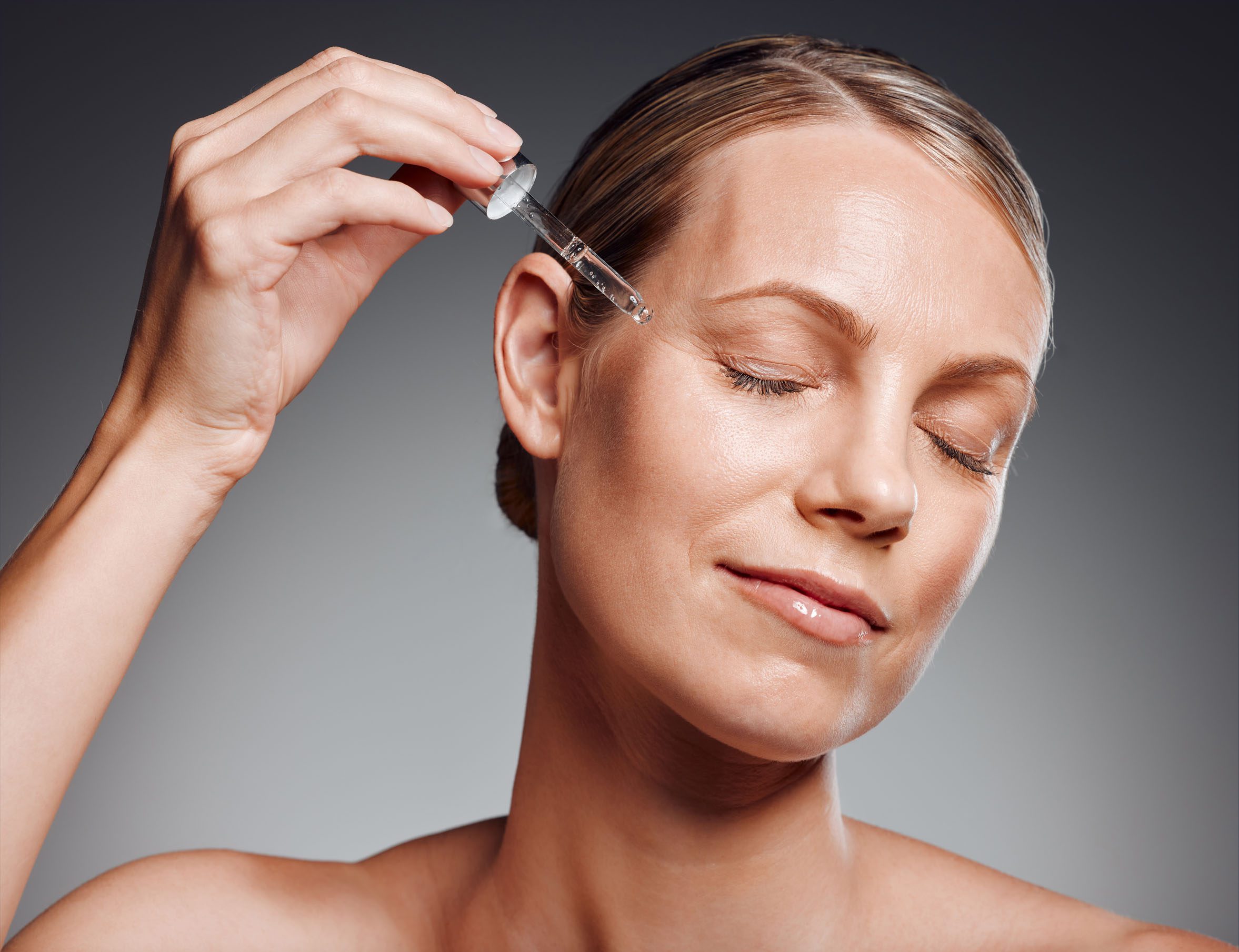 Anti-aging therapy offers much more than cosmetic improvements. Its primary benefits are internal — supporting the systems that help your body function efficiently and protect itself from age-related disease. As the aging process begins to slow, patients often report noticeable improvements in their mood, appearance, cognitive performance, and energy levels.
One of the major advantages of anti-aging therapy is its ability to restore hormonal equilibrium, which can decline due to age, stress, and environmental toxins. Correcting these imbalances not only helps with physical strength and sexual function but also improves sleep, immune health, and emotional resilience.
These therapies are particularly helpful for men and women over 40 who notice signs of hormonal decline or feel their quality of life is diminishing despite otherwise normal lab results.
While the field of anti-aging medicine is rapidly evolving and full of promise, it must be approached with caution and guidance from a qualified provider. Unregulated treatments, fad supplements, and off-label hormone use can do more harm than good if not carefully monitored.
Before starting any anti-aging program, a full diagnostic workup should be completed. This includes comprehensive bloodwork, hormone panels, and medical history evaluation. Treatments should only begin once deficiencies or dysfunctions have been clearly identified, and therapy plans must be adjusted over time based on how your body responds.
Long-term success depends on the integrity of the provider and the consistency of the patient. Anti-aging medicine is most effective when it is part of a comprehensive lifestyle strategy — including clean nutrition, physical activity, stress management, and quality sleep. Skipping these essentials reduces the impact of any treatment.
Get Proper Diagnostics: Never begin HRT or peptide therapy without comprehensive lab testing.
Avoid Unverified Products: Many supplements sold online lack third-party testing or medical approval.
Follow Medical Supervision: Hormonal therapies must be dosed and monitored professionally to avoid side effects.
Consistency is Key: Anti-aging therapy requires time, commitment, and lifestyle discipline for long-term benefits.
Combine with Healthy Living: No treatment can replace the foundation of nutrition, exercise, and sleep.
Avoid Extreme Promises: Reputable providers focus on healthspan, not false claims about reversing time.
Anti-aging therapy is not about denying the aging process — it’s about redefining how we experience it. Through personalized, scientifically backed treatments, you can stay healthy, confident, and energized well into your later years. Rather than chasing a cosmetic ideal, this approach focuses on what really matters: your quality of life.
With the right guidance and commitment, anti-aging therapy can be a powerful ally in your journey toward optimal wellness. By addressing your body’s internal needs, you invest in a future of strength, clarity, and vitality — not just for today, but for decades to come.
Just as finishing a full course of antibiotics ensures the bacteria are fully eradicated, completing your anti-aging program allows your body the time it needs to reset and optimize its internal systems. Many patients expect results within a few days, but the most impactful changes often occur gradually over weeks and months.
Certain therapies, like hormone replacement or peptide treatments, require a stabilization period. Hormone levels must be monitored and adjusted as needed to reach ideal balance. Stopping early or taking breaks without medical direction can interrupt this delicate process and hinder your results.
By completing your anti-aging therapy program, you give your body the tools and time it needs to heal, rejuvenate, and protect itself from long-term health risks. Aging is inevitable, but with a full treatment course and lifestyle discipline, you can stay ahead of the curve.
Anti-aging therapy has shown strong outcomes across a wide population, from middle-aged adults seeking energy boosts to seniors managing chronic fatigue and cognitive decline. Clinical research and real-world evidence support its efficacy when implemented by experienced healthcare professionals.
These treatments work because they address the biological root causes of aging. Instead of masking symptoms, they target hormone depletion, mitochondrial decline, and cellular stress — three factors that heavily influence aging. By correcting these, the body naturally returns to a more youthful state of function.
In the hands of responsible providers, anti-aging therapy has helped countless patients regain focus, strength, and emotional wellness. From sharper thinking to more restful sleep, the benefits are both measurable and meaningful. With consistent care, anti-aging therapy can significantly enhance your healthspan — the period of life lived in good health.